.png)
Why visit Samburu National Reserve?
Samburu National Reserve
Samburu National Reserve is one of Kenya's most unique and rewarding safari destinations. Located in the semi-arid region of northern Kenya along the banks of the Ewaso Nyiro River, the reserve offers visitors an authentic wilderness experience far from the crowds of the country's more famous safari parks. Covering approximately 165 square kilometers, Samburu is renowned for its rugged beauty, rare wildlife species, rich cultural heritage, and exceptional game viewing opportunities.
The reserve forms part of the greater Samburu ecosystem together with Buffalo Springs National Reserve and Shaba National Reserve. These protected areas create a diverse wildlife sanctuary that supports species rarely found elsewhere in Kenya, making Samburu a must-visit destination for safari enthusiasts, photographers, birdwatchers, and nature lovers.
With dramatic landscapes, abundant wildlife, and fascinating cultural experiences, Samburu National Reserve offers a safari adventure unlike any other in East Africa.
Why Visit Samburu National Reserve?
Samburu stands out from other safari destinations because of its unique environment and specialized wildlife. The reserve's dry climate, acacia woodlands, rocky outcrops, and riverine forests create habitats that support species adapted to northern Kenya's semi-arid conditions.
The reserve is particularly famous for the "Samburu Special Five" – a collection of rare animals found primarily in northern Kenya. Visitors also enjoy excellent predator sightings, scenic landscapes, fewer tourist vehicles, and authentic cultural interactions with the Samburu people.
For travelers seeking a more exclusive safari experience away from crowded game-viewing areas, Samburu National Reserve provides exceptional opportunities for wildlife observation and exploration.
The Famous Samburu Special Five
One of Samburu's biggest attractions is the opportunity to see the Samburu Special Five, a group of rare species rarely encountered in other Kenyan parks.
Reticulated Giraffe
The reticulated giraffe is easily recognized by its striking geometric coat pattern. Samburu is one of the best places in Africa to observe these elegant animals.
Grevy's Zebra
The endangered Grevy's zebra is distinguished by its narrow stripes and large ears. Samburu supports one of the largest remaining populations of this rare species.
Beisa Oryx
The Beisa oryx is a beautiful antelope adapted to arid environments and commonly found across the reserve.
Somali Ostrich
Unlike the common ostrich found in southern Kenya, the Somali ostrich features distinctive blue-gray legs and neck coloration.
Gerenuk
The gerenuk, often called the "giraffe gazelle," is famous for its ability to stand upright on its hind legs while feeding on leaves and vegetation.
Spotting all five species is a highlight of any Samburu safari.
Wildlife in Samburu National Reserve
Beyond the Samburu Special Five, the reserve supports a rich variety of wildlife species that thrive in its unique environment.
Big Cats and Predators
Samburu is known for excellent predator sightings and offers visitors opportunities to encounter:
- African Lions
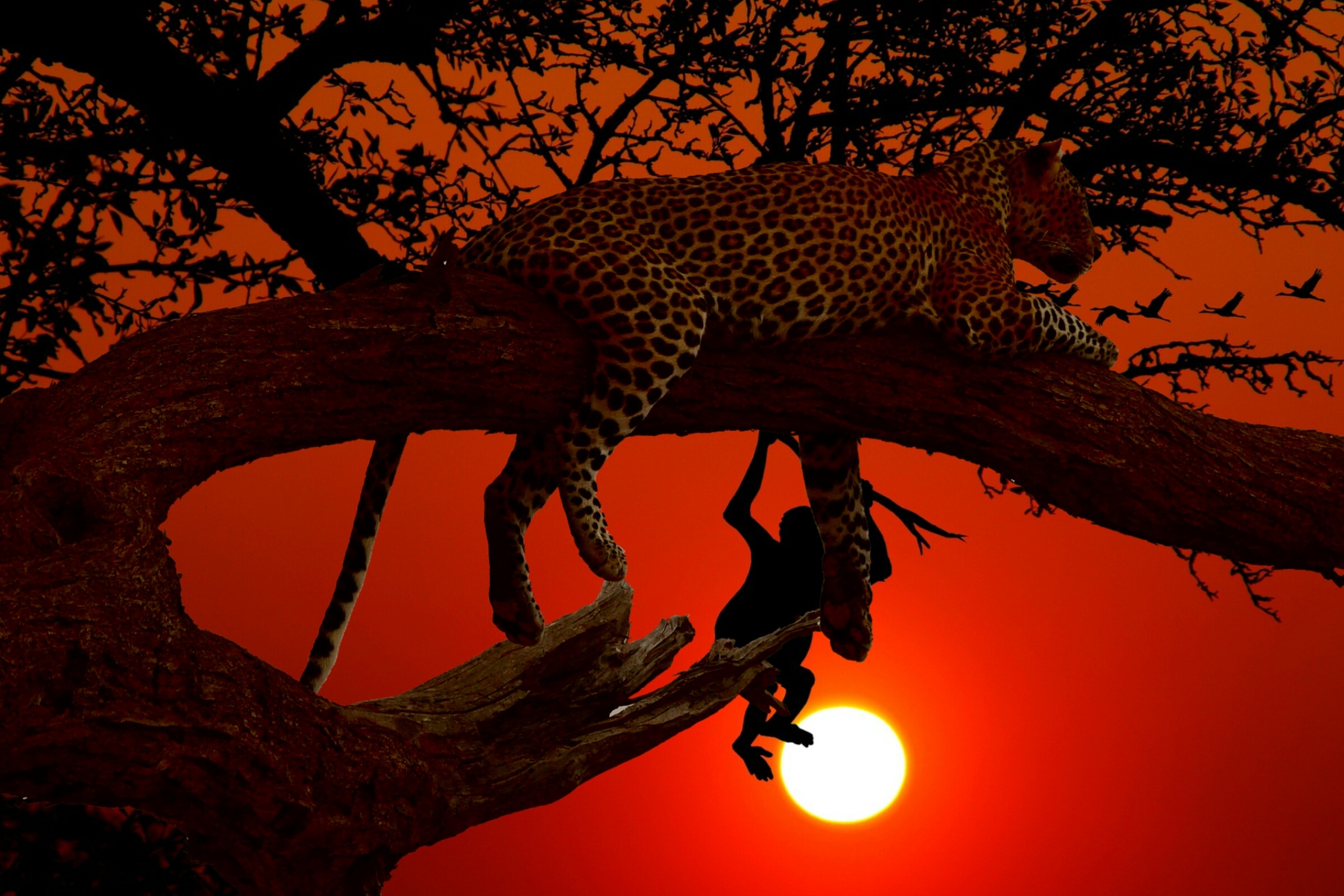
- Leopards
- Cheetahs
- Spotted Hyenas
- Black-backed Jackals
- Bat-eared Foxes
The Ewaso Nyiro River attracts numerous animals throughout the year, creating ideal hunting opportunities for predators.
Other Wildlife Species
- African Elephants
- African Buffaloes
- Hippos
- Nile Crocodiles
- Warthogs
- Impalas
- Waterbucks
- Dik-diks
- Vervet Monkeys
- Olive Baboons
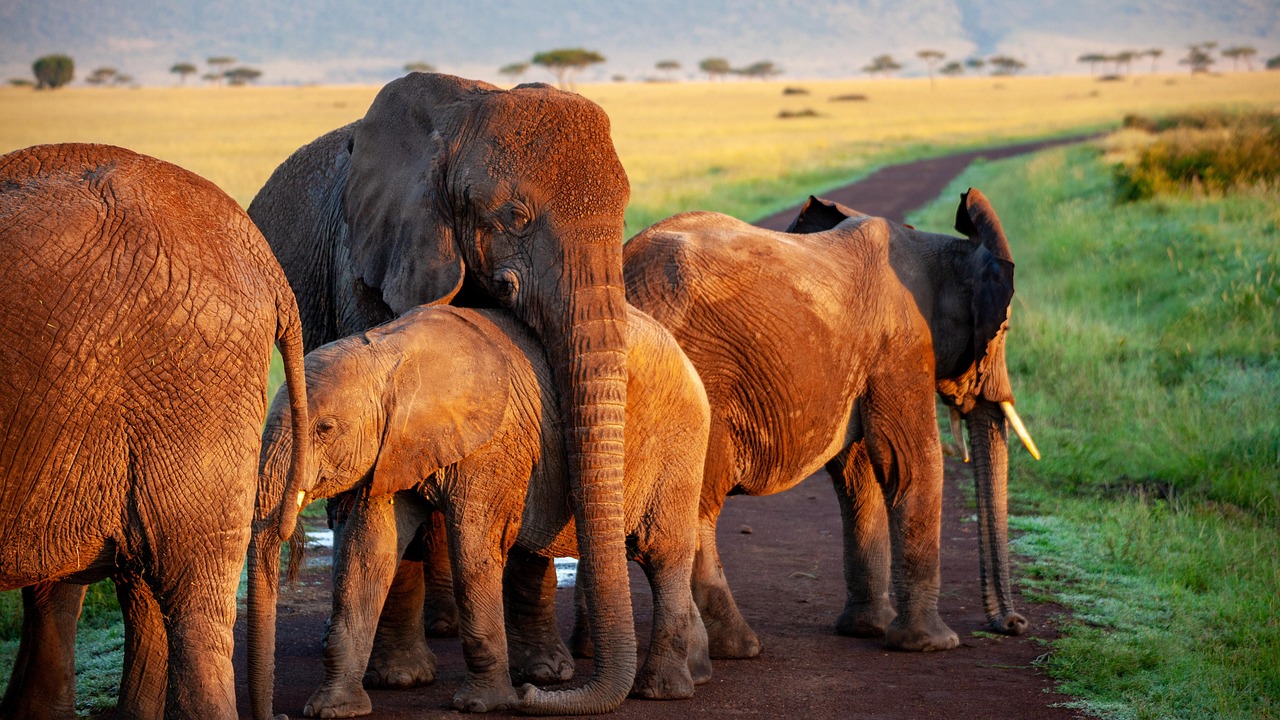
Elephant sightings are particularly common, and large herds frequently gather along the riverbanks.
The Ewaso Nyiro River
The Ewaso Nyiro River is the lifeblood of Samburu National Reserve. Flowing through the otherwise dry landscape, the river provides water for wildlife throughout the year and supports lush riverine vegetation.
The river attracts elephants, buffaloes, antelopes, predators, crocodiles, and hippos, making it one of the best wildlife viewing areas within the reserve.
Many safari lodges and camps are strategically located along the river, offering spectacular wildlife sightings directly from guest accommodations.
Bird Watching in Samburu
Samburu National Reserve is one of Kenya's top birding destinations, with more than 450 bird species recorded throughout the ecosystem.
Bird enthusiasts can spot:
- African Fish Eagle
- Secretary Bird
- Vulturine Guineafowl
- Martial Eagle
- Somali Bee-eater
- Kingfishers
- Hornbills
- Sunbirds
- Herons
- Egrets
The reserve's varied habitats provide excellent opportunities for bird photography and observation throughout the year.
Best Time to Visit Samburu National Reserve
Samburu can be visited year-round due to its relatively dry climate and permanent water supply from the Ewaso Nyiro River.
June to October
The dry season offers excellent wildlife viewing as animals gather around water sources and vegetation becomes less dense.
January to March
These months provide warm temperatures, clear skies, and outstanding opportunities for wildlife photography.
April to May
The green season transforms the landscape and offers beautiful scenery, fewer visitors, and attractive accommodation rates.
November to December
Short rains refresh the ecosystem and attract migratory bird species, creating excellent birdwatching opportunities.
Things to Do in Samburu National Reserve
Game Drives
Explore the reserve's diverse habitats while searching for the Samburu Special Five, predators, elephants, and numerous other wildlife species.
Wildlife Photography
Samburu's dramatic landscapes, unique wildlife, and beautiful lighting conditions make it one of Kenya's premier photography destinations.
Bird Watching
The reserve's rich birdlife attracts bird enthusiasts from around the world.
Samburu Cultural Visits
Visitors can interact with the Samburu people and learn about their traditional lifestyle, customs, and close relationship with the natural environment.
Nature Exploration
Discover the unique landscapes of northern Kenya, including riverine forests, acacia woodlands, rocky outcrops, and open plains.
How to Get to Samburu National Reserve
Samburu National Reserve is located approximately 350 kilometers north of Nairobi. The journey by road takes around five to six hours through scenic Kenyan countryside and northern landscapes.
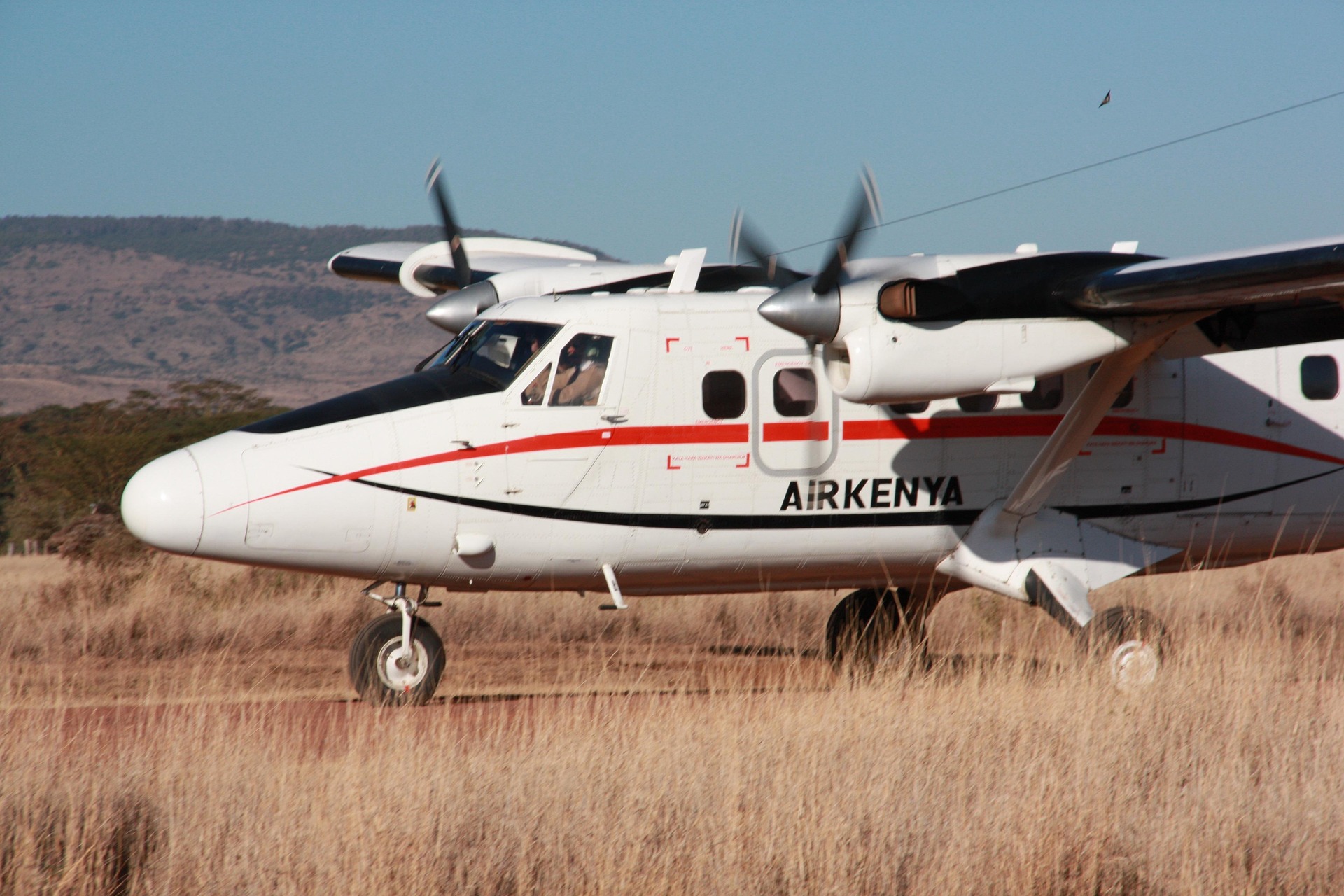
For travelers seeking quicker access, scheduled flights operate from Nairobi's Wilson Airport to nearby airstrips within the Samburu ecosystem.
Many safari itineraries combine Samburu with destinations such as Ol Pejeta Conservancy, Lake Nakuru, and the Masai Mara for a comprehensive Kenya safari experience.
Accommodation in Samburu
Samburu offers a range of accommodation options including luxury safari lodges, riverside tented camps, boutique eco-lodges, and mid-range safari camps.
Many lodges are situated along the Ewaso Nyiro River, allowing guests to enjoy spectacular wildlife sightings directly from their rooms, restaurants, and viewing decks.
Whether you seek luxury, comfort, or adventure, Samburu offers accommodation options suitable for every type of traveler.
Experience Northern Kenya's Hidden Safari Gem
Samburu National Reserve is one of Kenya's most distinctive safari destinations. Its rare wildlife species, breathtaking landscapes, rich cultural heritage, and exceptional game viewing opportunities make it a true hidden gem for safari enthusiasts.
From spotting the Samburu Special Five and watching elephants along the Ewaso Nyiro River to experiencing the traditions of the Samburu people, every visit offers unforgettable memories and authentic African wilderness adventures.
Add Samburu National Reserve to your Kenya safari itinerary and discover one of East Africa's most unique and rewarding wildlife destinations.
Best Time
Samburu National Reserve is a year-round safari destination, with excellent wildlife viewing throughout the year. The dry seasons from June to October and January to March are espe
Highlights
- Samburu Special Five sightings Grevy’s zebra encounters Reticulated giraffe sightings Excellent elephant viewing Big cat safari opportunities Ewaso Nyiro River wildlife Luxury tented safari camps Authentic cultural experiences Birdwatching paradise Remote wilderness safari experience