.png)
The Great Wildebeest Migration in Kenya (2026): Complete Safari Guide
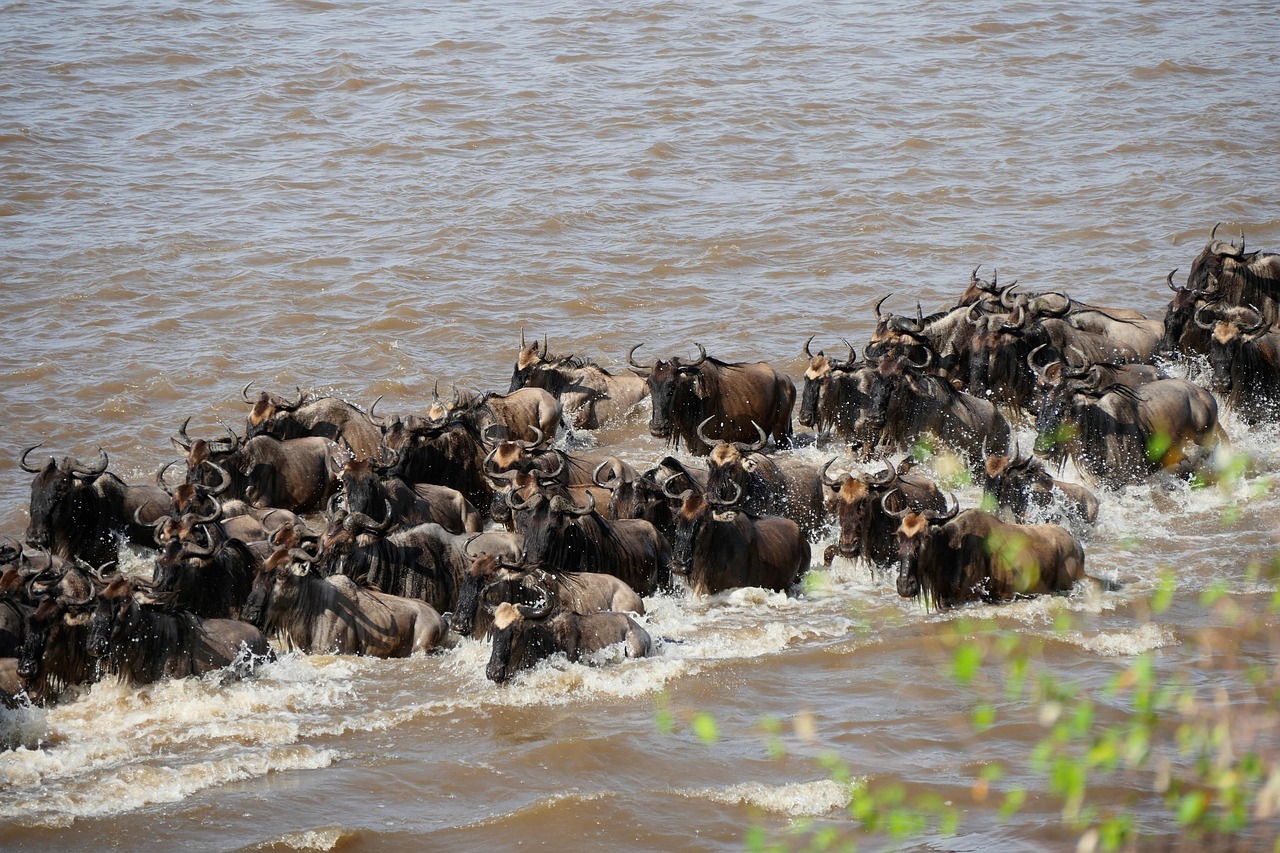
The Great Wildebeest Migration is one of the most spectacular wildlife events on the planet. Every year, over two million wildebeest, zebras, and gazelles move across the vast plains of East Africa in search of fresh grazing, creating an unforgettable natural spectacle that attracts travelers from around the world.
For safari enthusiasts visiting Kenya in 2026, witnessing the migration in the Maasai Mara National Reserve is often the highlight of their African adventure. The sight of thousands of animals crossing crocodile-infested rivers while predators wait nearby is an experience unlike any other.
In this guide, you'll discover everything you need to know about the Great Wildebeest Migration in Kenya, including the best time to visit, where to stay, what wildlife to expect, and how to plan the ultimate migration safari.
If you're planning a migration safari, the team at Kwanza Safaris can help create a customized itinerary that maximizes your chances of witnessing this extraordinary event.
What Is the Great Wildebeest Migration?

The Great Wildebeest Migration is a year-round movement of wildlife between Tanzania's Serengeti National Park and Kenya's Maasai Mara National Reserve.
Driven by seasonal rainfall and the search for fresh grazing, approximately:
- 1.5 million wildebeest migrate annually
- 300,000 zebras join the journey
- Hundreds of thousands of gazelles travel alongside the herds
- Countless predators follow the migration route
The migration is not a single event but a continuous cycle that unfolds throughout the year across the Serengeti-Mara ecosystem.
Why Is the Great Migration So Famous?

The Great Migration is often called the greatest wildlife show on Earth because of its incredible scale and dramatic encounters.
Visitors may witness:
- Massive herds stretching across the horizon
- Dramatic Mara River crossings
- Lions hunting migrating animals
- Cheetahs pursuing gazelles on open plains
- Nile crocodiles ambushing crossing herds
- Thousands of newborn calves during calving season
- Unparalleled wildlife photography opportunities
The migration has been recognized as one of the Seven Natural Wonders of Africa and remains one of the most sought-after safari experiences worldwide.
When Is the Best Time to See the Great Migration in Kenya?
The best time to witness the migration in Kenya is between July and October, when the herds move into the Maasai Mara from Tanzania.
July: Arrival of the Herds
July marks the beginning of the migration season in Kenya.
- Large herds begin arriving in Maasai Mara
- Fewer crowds compared to August
- Excellent wildlife viewing
- Early river crossing opportunities
August: Peak Migration Season
August is often considered the best month for witnessing the migration.
- Massive concentrations of wildlife
- Frequent Mara River crossings
- Outstanding predator activity
- Excellent photography conditions
September: Prime Safari Conditions
- Consistent migration activity
- Comfortable temperatures
- Excellent game drives
- Continued river crossing opportunities
October: The Return Journey Begins
- Herds begin moving south toward Tanzania
- Excellent wildlife sightings
- Slightly fewer visitors
- Potentially lower accommodation rates
Best Places to See the Great Migration in Kenya

1. Maasai Mara National Reserve
The Maasai Mara is Kenya's premier safari destination and the most popular place to witness the migration.
Highlights include:
- Big Five sightings
- World-famous Mara River crossings
- Luxury and budget accommodation options
- Professional safari guides
- Outstanding wildlife density
The reserve offers some of the best opportunities anywhere in Africa to witness dramatic migration scenes.
2. Mara Triangle
The Mara Triangle is known for:
- Fewer vehicles
- Excellent wildlife density
- Prime crossing locations
- Exceptional photography opportunities
3. Private Conservancies
Private conservancies bordering the Maasai Mara offer a more exclusive safari experience.
- Night game drives
- Walking safaris
- Luxury camps
- Lower vehicle density
- Personalized wildlife experiences